Indian Red Chilli: Teja Heat vs Byadgi Colour
Choosing between high-SHU Teja and high-colour Byadgi chillies — ASTA colour value, heat units and the buyers who prefer each.
With 18+ years in agricultural commodity trading and export compliance, Rajesh leads Kofly's sourcing, quality assurance, and international market development. He specialises in spice supply chain optimisation and regulatory navigation for EU, GCC, and North American markets.
B.Tech (Food Technology), Spices Board Licensed Exporter, FSSAI Auditor
The Two Workhorses
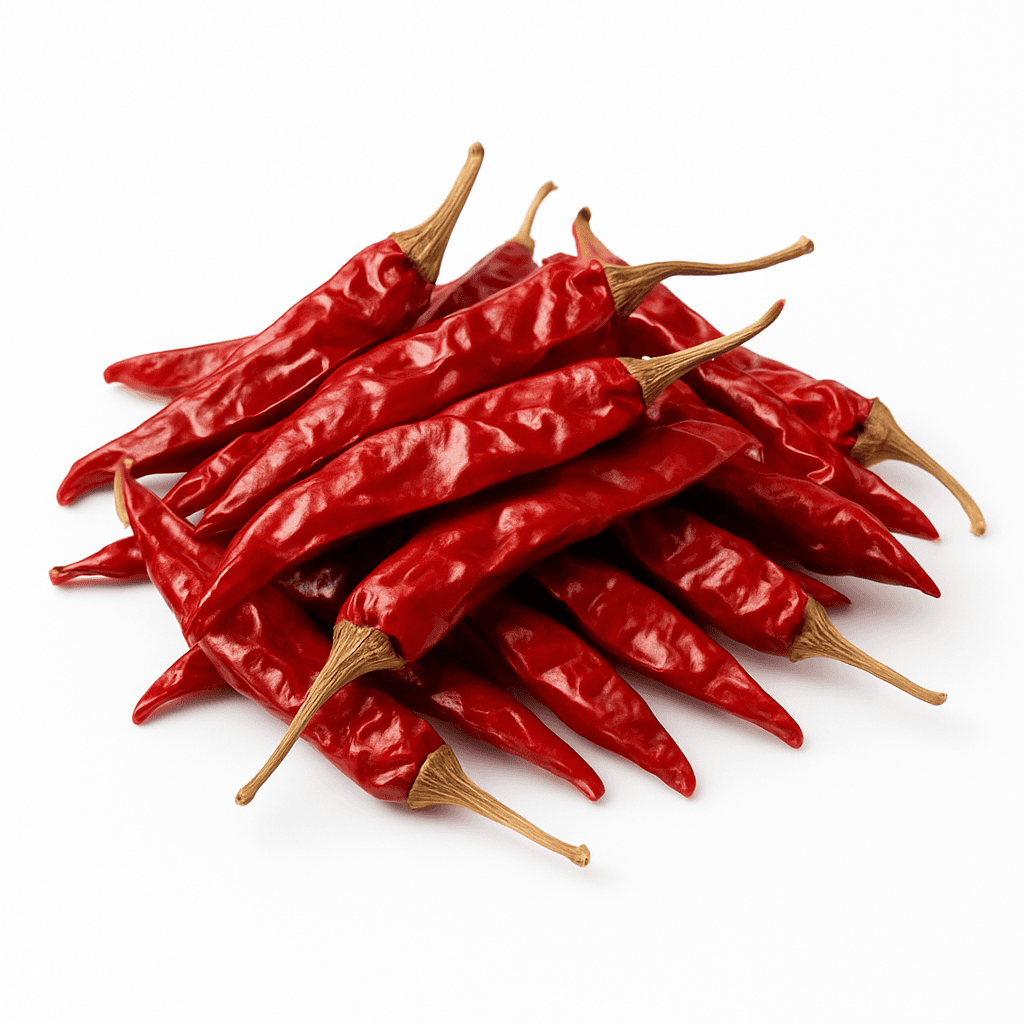
Teja (S17) delivers high pungency (around 75,000–90,000 SHU) and is sought by sauce, seasoning and oleoresin buyers. Byadgi delivers deep red colour with low heat, prized for natural colour extraction and visual appeal.
ASTA Colour & Heat
Byadgi can reach high ASTA colour values used in paprika-style applications, while Teja is specified by Scoville heat units. Defining your colour and heat target up front ensures the right cultivar is shipped.
| Quality Parameter | Specification | Notes |
|---|---|---|
| Scoville Heat (Teja S17) | 75,000-90,000 SHU | High pungency |
| ASTA Colour (Byadgi) | 100-150 units | Natural red color |
| Moisture | Max 10% | Powder stability |
| Volatile Oil | 0.5-2.5% | Aroma contribution |
| Aflatoxin B1 | < 10 ppb | Critical for export |
| Extraneous Matter | Max 1% | Cleanliness |
Whole vs Powder
Whole chillies (stemless or with stem) ship for re-grinding; powder is supplied at agreed mesh and sterilised for sensitive markets. Aflatoxin control is a key parameter we test before dispatch.
Packing & MOQ
Bales or cartons for whole chilli, 25 kg bags for powder; MOQ from 5 MT.